


I was in 12th grade when I first laid eyes on it. It was a cool fall evening and the sky had gone dark by the time my classmates and I arrived, wrapping up a long day of an obligatory school trip to the nation’s capital. From the top of The Ellipse, I stared up the South Lawn at the altogether gracious and imposing structure. From outside the gates, you could hardly tell a West or East Wing existed—all the focus was on the historic residence. It was elegantly lit so nighttime viewers like me could take in the beauty and wonder of the house we were promised was ours: the White House.
Since that evening in 2014, changes to the White House have been many. While much stayed the same during the first Trump administration, and certainly the Biden administration, Trump’s second term in the White House has demonstrated an insatiable urge to leave an imprint.
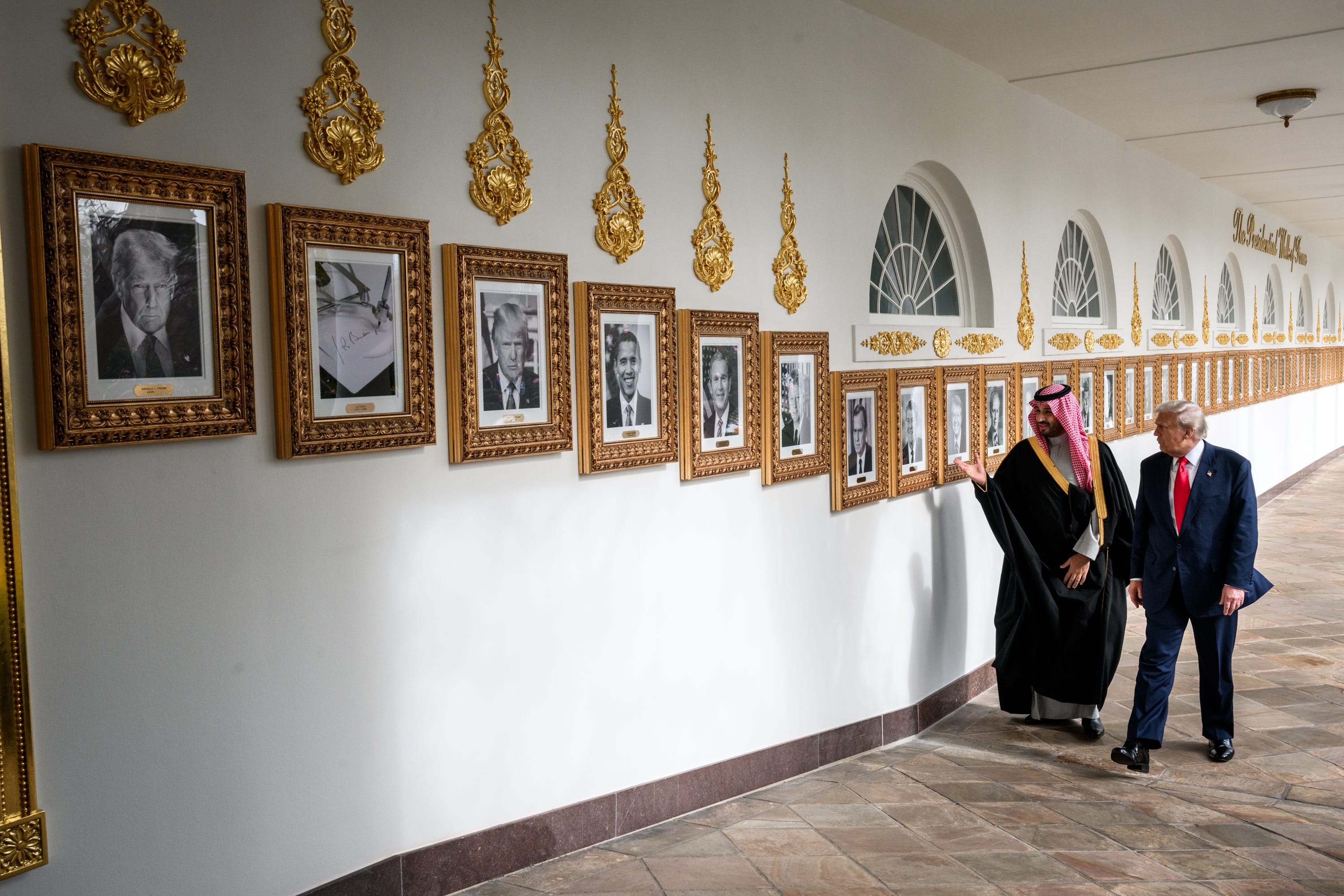
At first, the changes seemed almost comical. Baroque-style gilding was added to the Oval Office, with different pieces of applied moulding appearing on a near-daily basis. These additions are in direct conflict with the neoclassical style in which the White House is designed—an architectural style that intentionally avoids the ornamentation found in the palaces of Europe. Gold, cursive signage was added around the grounds. Photos of past presidents in thick, gold frames with semi-accurate biographies—many of which were written by Trump himself—were added to the West Wing Colonnade. It was Trumpian, it was gaudy, but it was—for the most part—cosmetic.
And then, the bulldozers arrived.
The shock of the swift demolition of the East Wing was only second to the renderings of what was to take its place: a colossal 90,000 square foot ballroom, nearly double the size of the main residence itself. The East Wing, similar to the West Wing, hid low and to the side, never impeding or competing with the balanced and symmetrical design of the main residence. The new ballroom design does the precise opposite. And renderings of the inside? More gilding, more grandeur, more similarities to the palaces of eastern Europe that housed kings.
The ballroom—and the pile of rubble where it’s set to be built—are the most visible, but hardly the only changes to the White House. The en-suite bathroom of the Lincoln Bedroom was ripped out and replaced with a full statuary marble bathroom featuring gold fixtures. Trump has touted this as more historically accurate to the time of Lincoln; never mind the fact that bathrooms during Lincoln’s time typically featured wooden toilet seats above cisterns and copper bathtubs. The famous Rose Garden was paved over. The South Lawn became the temporary site of a UFC cage match, and now a permanent granite helicopter pad is set to take its place. And most recently, scaffolding and tarps covered the north portico for “repairs.” Only when they come down will we learn what these repairs entail.
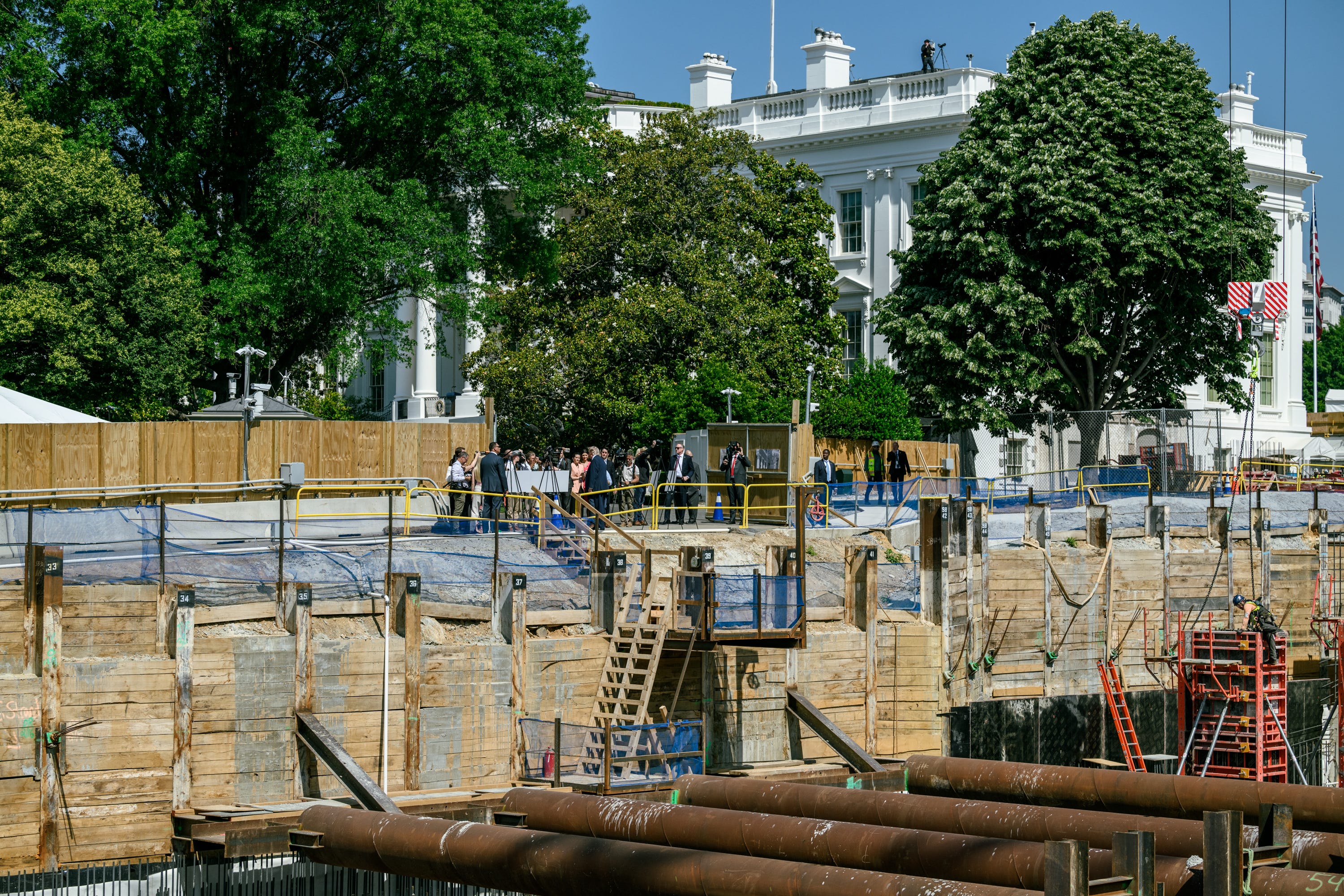
As we watch gold leaf go up and historic structures come down, we are faced with a question—what does it all mean? And does it even matter? On face value, the changes to the White House are tacky, garish, and ill-conceived. They are the physical manifestation of the president’s persona—the capstone of lifelong efforts to brand, build, and gild as much as possible. The architecturally incongruent design changes are a clear example of his disregard for history. The pile of rubble that was once the East Wing is a shockingly visible metaphor of his ability to tear down, but inability to truly build.
These facts may lead us to write it all off; to conclude that these changes don’t mean anything. But it does all mean something. Because these changes are not to the house of a man, they are to the house of the people. A house that tells us who we are. And when we lose that awareness, when someone tells us who we are, when someone imposes it onto us, we then begin to lose the central democratic tenets on which this country was founded. On which that house was built. Design is a messenger. It is paramount that we listen to what it has to say.
The White House had an impact on me that day in 2014 that I hardly expected. From that moment on, I had such a great respect for the White House—for the structure itself and what it meant to our country. I began to understand the power of design in a nation. How it helps to tell us who we are, and who we want to be. I haven’t been that close to the White House since that evening late in the second Obama administration. At the time, it didn’t feel like the Obamas’ house. It didn’t feel like anyone’s house. It felt like our house. It felt like an embodiment of democracy, of our ideals as a nation. Of who we are, and who we want to be.
I wonder what it would feel like now. I wonder what my 17-year-old self would take from it today. Part of me is glad I’ll never know.

A platform plank for the Democratic slate for '28 should be to tear down, tear out, and restore everything Trump has done and everything he might do. Every record, every bit of evidence, every memory that Trump ever existed that can be should be destroyed. Some class, dignity, and integrity should be restored to the US Capital, US lands and natural resources rehabilitated.
Trump is worse than an incurable metastatic disease.
Ticky tacky trashy. There's a reason why the New York "elite" looked down on the tRUMP slumlord family, now the First Family of trailer park aspirational aesthetics. Right after the RepubliCON party of pedophiles, felons, and thieves hits the dung heap of history, the American people will happily track the return of the People's House to elegant, quiet dignity.