


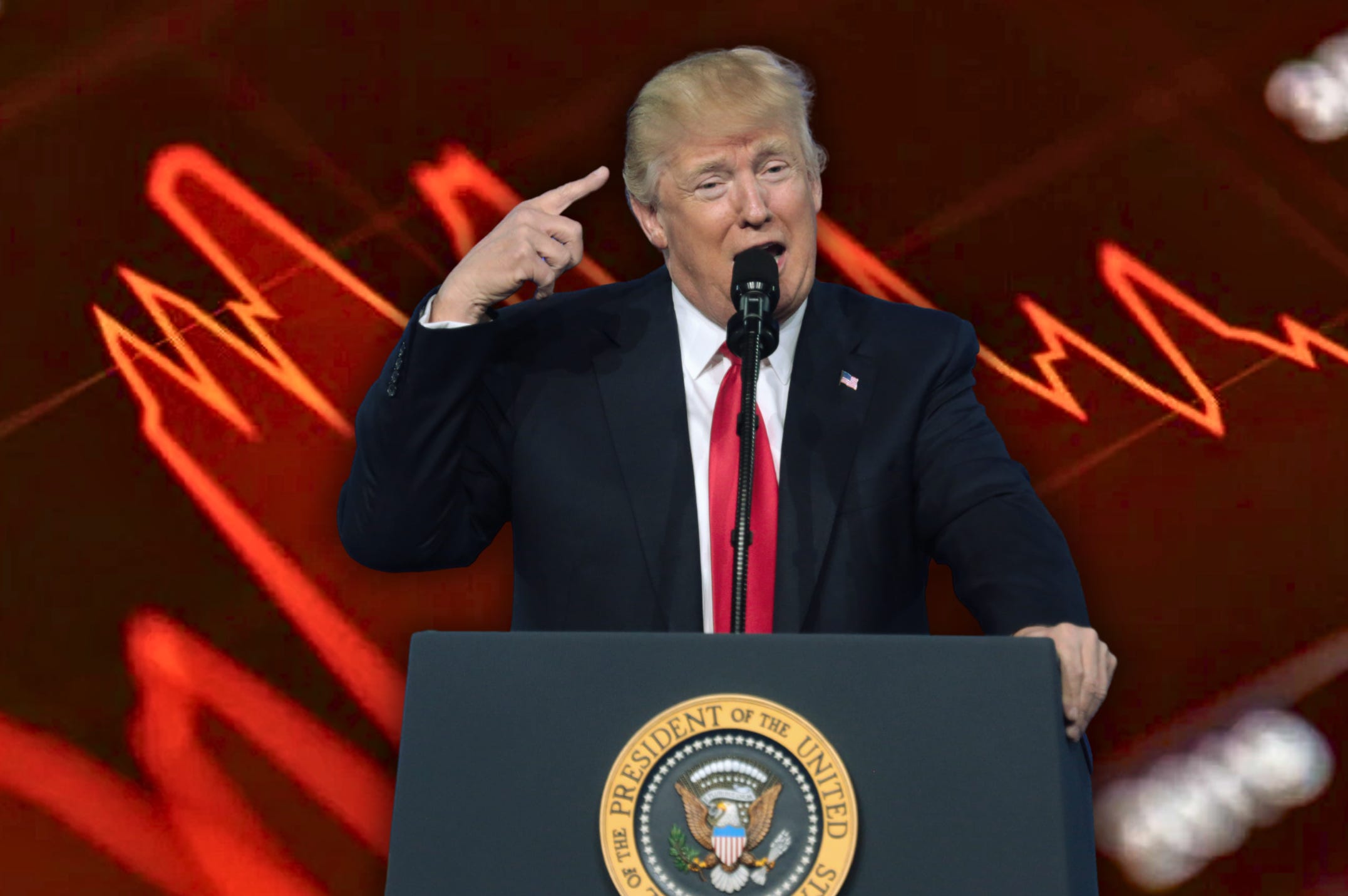
In its February 20, 2026 decision in Learning Resources v. Trump, the Supreme Court ruled that the International Emergency Economic Powers Act (IEEPA) does not grant the president the power to impose tariffs. The decision invalidated most of the tariffs the second Trump administration had imposed up to that point, including the most headline-grabbing ones.
One major set of IEEPA tariffs consisted of the so-called reciprocal tariffs on imports from all of our trading partners, initially announced in early April last year. Even prior to that, the administration started levying IEEPA tariffs on imports from Canada, China, and Mexico, purportedly to force those countries to combat fentanyl trafficking and illegal border crossings. Rates and exemptions fluctuated wildly over the year or so that IEEPA tariffs were in place, but they ultimately generated some $166 billion in unlawfully collected tax revenue.
While the IEEPA tariffs were illegal, it was not obvious that justice would prevail. The Republican majorities in both chambers of Congress have been unwilling to take action against the administration. Large corporations have been intimidated into a strategy of supplication and generally have avoided litigation concerning Trump’s policies. The public-interest law firm that led the legal fight against the IEEPA tariffs lost a third of its donors over it. Even after the Supreme Court’s decision, some large corporations seemed hesitant to claim refunds, and President Trump suggested he would reward them.
Even if the tariffs are ultimately refunded, their harmful consequences cannot be fully undone. Households and businesses that paid tariffs passed on by importers will not get their money back. Firms that went under after getting hit with sudden cost increases will not come back. And as a country, our relationships with some of our closest allies have deteriorated, perhaps beyond repair. We have given up on anything resembling a coherent economic strategy to counter China’s growing strength.
While the Supreme Court brought an end to the IEEPA tariffs, the administration immediately replaced a significant chunk of them with a new set of tariffs under Section 122 of the Trade Act of 1974. The Section 122 tariffs are supposed to expire after 150 days, or two weeks from now. While the Court of International Trade declared this new set of tariffs unlawful as well, they have remained in place as the appeals process unfolds.
In parallel, the administration started a set of pretextual investigations under Section 301 of the same law, presumably to replace the Section 122 tariffs. Plus the administration is increasing tariffs under Section 232 of the Trade Expansion Act of 1962, purportedly to address the national security threats posed by imported kitchen cabinets, whipped cream cans, and a wide range of other products. Some of these tariff actions are likely to pass judicial muster.
For instance, last month the Supreme Court declined to review the Federal Circuit’s decision in HMTX Industries, LLC v. United States, which upheld the US Trade Representative’s authority to significantly expand a previous Section 301 action imposing tariffs on Chinese imports. And federal courts have proven particularly willing to defer to the executive branch’s assessment of the kind of national security considerations that underpin the Section 232 tariffs, which now constitute the majority of our import taxes. In one telling instance, lawyers for the first Trump administration seemed to suggest that a Section 232 determination that imported peanut butter constitutes a national security threat would be impervious to judicial review.
While it is difficult to imagine Congress taking actions to constrain the executive in this area as long as Trump is president and Republicans preserve their majorities, it is important to consider how Congress might reclaim its Article I power to impose tariffs. Such a reform agenda should have at least two components. First, Congress should repeal tools that are clearly outdated. Specifically, the preconditions for Section 122 do not make sense in our current world of flexible exchange rates. Section 338 of the Tariff Act of 1930 grants the president the authority to impose tariffs of up to 50%. While that provision of the Smoot-Hawley Tariff Act is seen as dormant, it should be repealed explicitly.
Second, Congress should constrain usage of the tools it wants to preserve. I am thinking of tools like Section 232, which allows for tariffs on national security grounds, or Section 301, which lets the administration respond to unfair trade practices. If Congress believes that these provisions are worthwhile tools, legislators must circumscribe executive discretion to utilize these tools.
One approach Congress could follow is the introduction of aggregate caps. For example, it could authorize cumulative Section 232 tariffs up to a limit of 0.5% or 1% of the value of all goods imported (still tens of billions of dollars!) and require express congressional approval beyond that. That way the executive preserves its ability to respond to genuinely unfair practices and sudden threats, but cannot use these tools to build a full-fledged protectionist regime.
But for now, I fear we will continue to suffer through round after round of arbitrary taxation that will weaken our economy and our standing in the world.
Stan Veuger is a senior fellow in economic policy studies at the American Enterprise Institute. You can find him on Substack at @stanveuger.

This is what we get for electing a government of third graders! They'll steal each other's lunch money and spend it on ice cream while the school burns to the ground!
What I don't get is…we paid them, and they get the refund. 😐😡